Père Lachaise Cemetery: A Self-Guided Walk Past Its Most Famous Graves
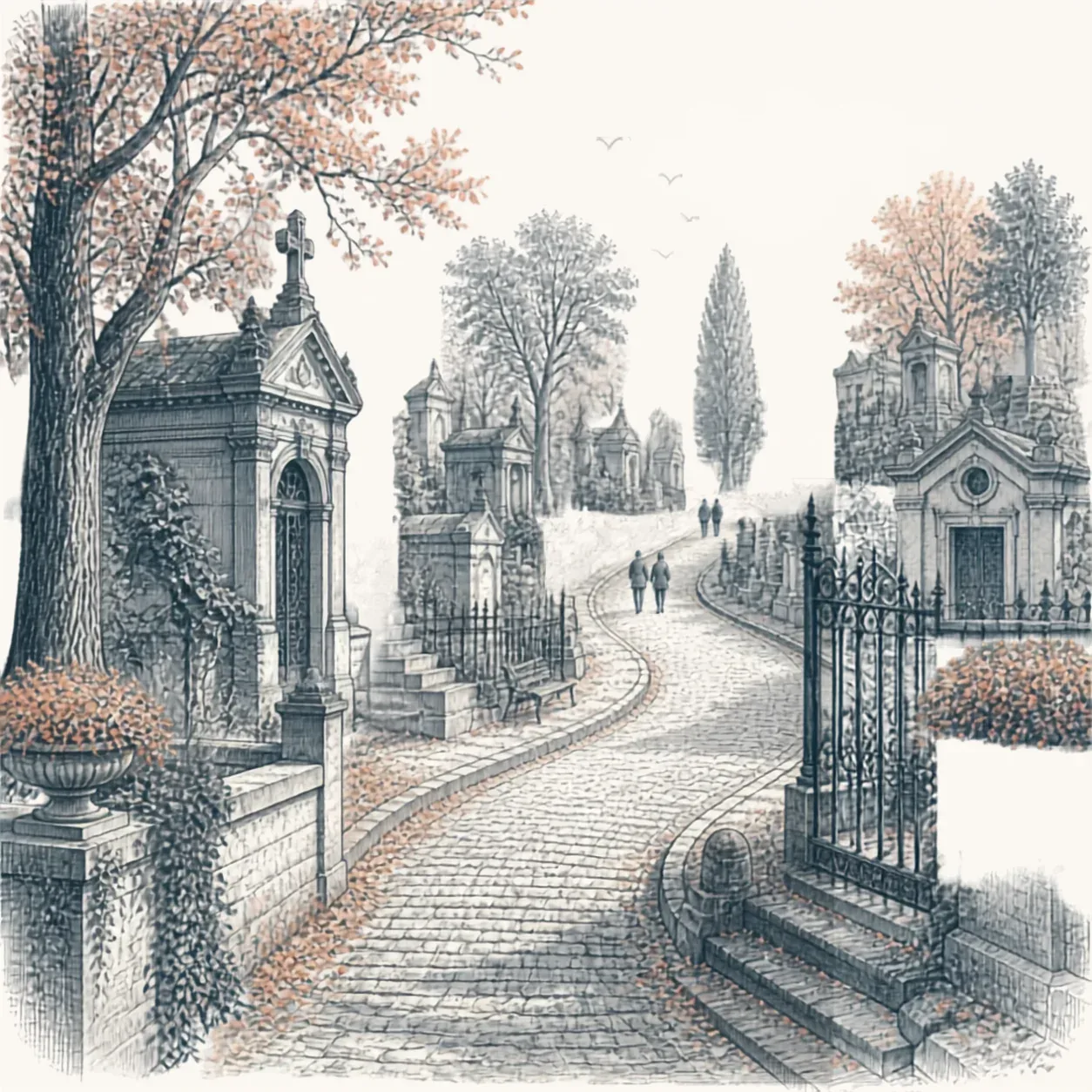
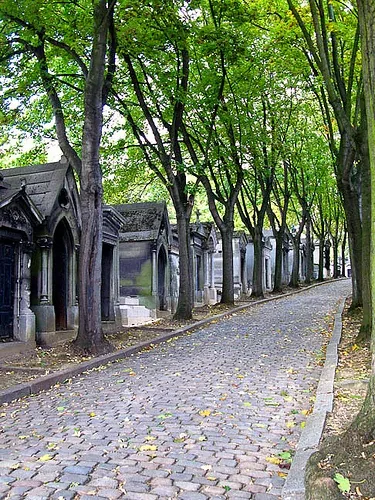
Paris is famous for its monuments, museums, cafés, and grand boulevards. But one of the city's most fascinating places is also one of its quietest. Père Lachaise Cemetery stretches across more than 40 hectares in eastern Paris and is the final resting place of writers, artists, musicians, politicians, and other figures whose stories continue to shape culture around the world. With tree-lined paths, elaborate tombs, sculptures, and winding lanes, Père Lachaise feels less like a traditional cemetery and more like a historic city within the city. This is an excellent activity to do in Paris to learn and connect with its history. With a little planning, you can create your own walking route through some of its most famous graves.
Stop 1: Oscar Wilde
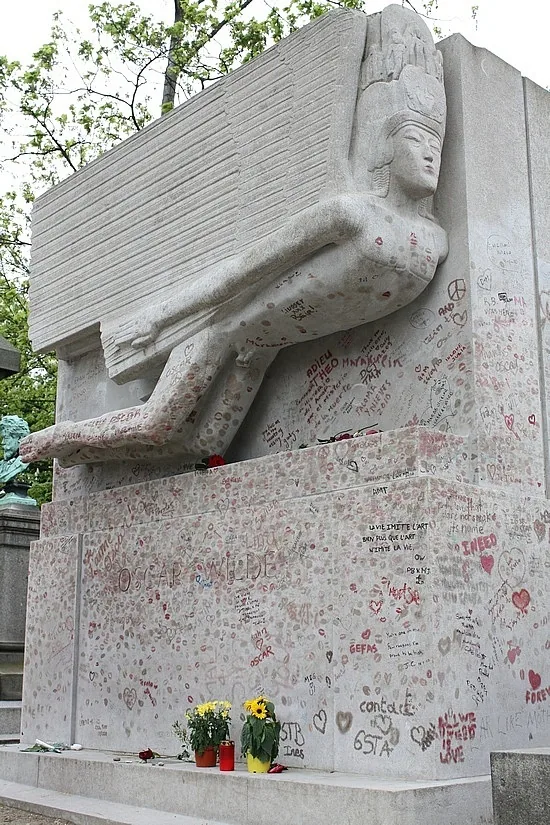
Let's start with one of the cemetery's most recognizable monuments. Oscar Wilde's tomb is difficult to miss. The Irish writer and poet's dramatic modernist monument was designed by sculptor Jacob Epstein and is inspired by the image of a winged creature in flight. The tomb has become one of Père Lachaise's most recognizable landmarks. Wilde died in Paris in 1900 and was buried at Père Lachaise, where his grave quickly became a destination for admirers. Today, the monument is protected by glass because of the long-standing tradition of visitors leaving lipstick kisses on it.
Stop 2: Jim Morrison
Next comes one of the cemetery's most famous and most visited graves. Jim Morrison, lead singer of The Doors, was buried at Père Lachaise after his death in Paris in 1971. His grave became a destination for music fans from around the world. Unlike some of the cemetery's elaborate monuments, Morrison's grave is relatively simple. That simplicity is part of what makes the site so interesting.
Stop 3: Édith Piaf
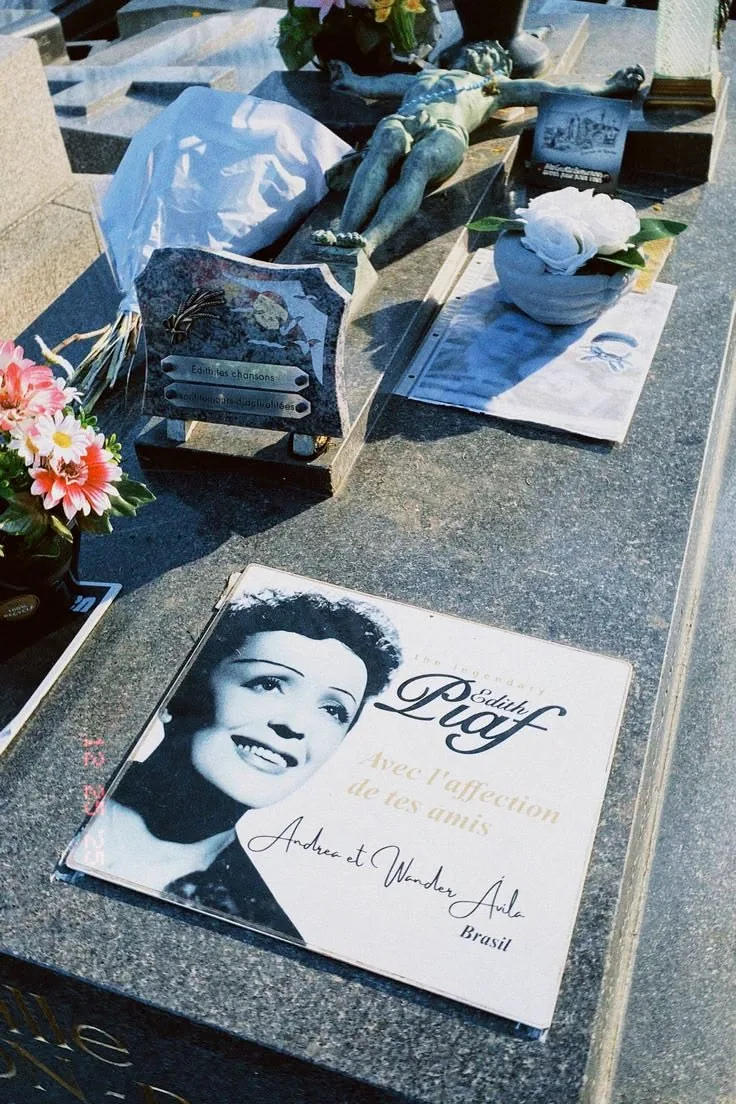
From rock music, move into one of France's most iconic voices. Édith Piaf is buried at Père Lachaise alongside members of her family. Known around the world for songs such as La Vie en rose and Non, je ne regrette rien, Piaf became one of the defining figures of French chanson. Her story is deeply connected to Paris, making her grave particularly meaningful for visitors interested in the city's cultural history.
Stop 4: Frédéric Chopin
Père Lachaise isn't only the final resting place of French cultural icons. Polish composer Frédéric Chopin is also buried here. Although Chopin was born in Poland, he spent much of his adult life in Paris and became an important part of the city's artistic and musical world. His grave is marked by a sculpture of Euterpe, the muse of music, mourning over his broken lyre.
Stop 5: Molière
Now we're going much further back into French cultural history. Molière, one of France's greatest playwrights, is buried at Père Lachaise. Born Jean-Baptiste Poquelin, Molière became famous for comedies that satirized French society and remain part of the country's theatrical tradition today. His presence at Père Lachaise connects the cemetery to a much older chapter of French culture.
Stop 6: Honoré de Balzac
Literature fans have another major stop ahead. Honoré de Balzac, one of France's most influential novelists, is buried at Père Lachaise. Balzac is best known for La Comédie humaine, his enormous collection of interconnected novels and stories depicting French society in the 19th century. His work gives us an extraordinary portrait of Paris and France during his time.
Stop 7: Marcel Proust
Another major figure in French literature, Marcel Proust, is also buried here. Proust is best known for In Search of Lost Time, one of the most influential works of 20th-century literature. His writing explored memory, time, society, relationships, and the details of everyday life. It's fitting, then, that his final resting place sits among thousands of other stories.
Stop 8: Eugène Delacroix
Art lovers shouldn't skip Eugène Delacroix. The French Romantic painter is best known for works including Liberty Leading the People, one of the most recognizable paintings associated with the French Revolution and the Louvre. His tomb is a reminder of just how many different artistic worlds come together within Père Lachaise.
Look out for: The sculptural details of the monument and the surrounding graves.
Stop 9: Sarah Bernhardt
One of the cemetery's most fascinating stories belongs to Sarah Bernhardt, the legendary French stage actress. Bernhardt became internationally famous during the late 19th and early 20th centuries and performed across Europe and the United States. Her career helped transform the idea of the celebrity performer. Her grave gives visitors another glimpse into the enormous range of personalities buried at Père Lachaise.
Stop 10: Georges Bizet
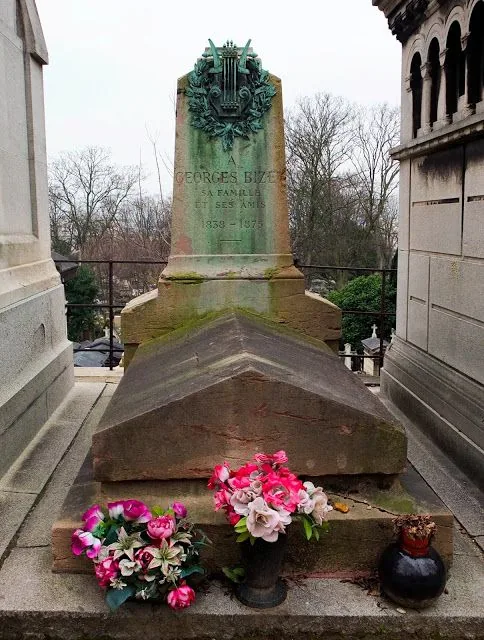
Finish your literary and artistic journey with Georges Bizet, the French composer best known for Carmen. Although Bizet died relatively young, his opera became one of the most famous works in the classical repertoire. His grave provides one final reminder that Père Lachaise isn't just a cemetery for writers or French historical figures. It is a place where music, art, literature, theatre, politics, and history all meet.
Your Self-Guided Père Lachaise Route
Rather than trying to find every famous grave in one visit, create a route around the people you're most interested in. A possible itinerary is: Entrance → Oscar Wilde → Jim Morrison → Édith Piaf → Chopin → Molière → Balzac → Proust → Delacroix → Sarah Bernhardt → Bizet Allow approximately 2–3 hours, depending on how often you stop.
And if you feel like you need guidance or company, TipWalk offers a Père Lachaise free walking tour available for anyone to join! You would hear all the scandals, gossips, and history made by our expert local in this walking tour.
Book your free walking tour now!