Haunted Paris: Legends, Ghost Stories & Eerie Corners Locals Talk About
Paris is usually associated with romance, art, cafés, and beautiful architecture. But spend enough time here and you'll discover another side of the city. A darker one. Paris has centuries of stories about ghosts, mysterious disappearances, underground tunnels, strange sightings, and places where history and legend blur together. Are these places actually haunted? There's no way to prove that. But the stories have survived for generations, and some of Paris's most beautiful places have surprisingly eerie histories. So if you're ready to explore the city beyond the guidebooks, here are some of the legends that have given Paris its darker reputation.
1. The Phantom of the Opéra Garnier
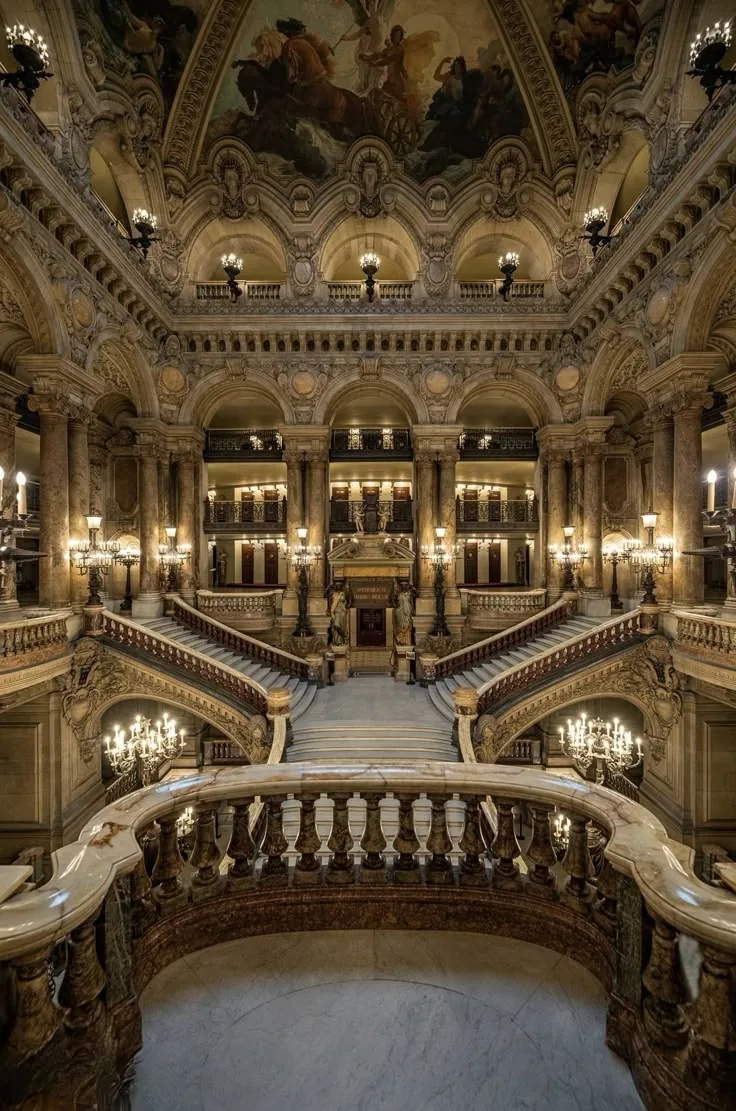
Few Parisian legends are more famous than the Phantom of the Opera. The legend is closely connected to the Palais Garnier and was immortalized by Gaston Leroux's novel The Phantom of the Opera, first published as a serial between 1909 and 1910. The story centers around Erik, a mysterious figure said to live beneath the opera house and secretly occupy Box 5. And the real building has certainly provided plenty of material for a ghost story. There was a deadly fire at the former opera house in 1873, and in 1896 part of the great chandelier at the Palais Garnier fell into the auditorium, killing a member of the audience. These real events helped fuel the atmosphere surrounding the Phantom legend. Today, visitors can still explore the Palais Garnier and see Box 5, the legendary box associated with the Phantom.
The reality: There is no verified Phantom living beneath the opera, but the legend is so deeply connected to the building that it has become part of the identity of the Palais Garnier itself.
2. The Paris Catacombs
If you want Paris's most genuinely eerie atmosphere, go underground. The Catacombs sit around 20 metres beneath the city, inside a former quarry network transformed into an ossuary containing the remains of several million Parisians. The atmosphere doesn't need much help. Dark passages with stone walls, and pure silence. And eventually, walls constructed from human bones. Naturally, the Catacombs have accumulated countless ghost stories over the years, including reports of strange sensations and unexplained apparitions. The Paris Tourist Office itself notes the site's long association with stories of ghosts and mysterious experiences.
The reality: The Catacombs are a real historic site. The ghosts are folklore. But when you're standing underground surrounded by centuries of history, it's easy to understand why the stories continue.
3. Père Lachaise After Dark
Père Lachaise is beautiful during the day. But its reputation becomes considerably darker when you hear the stories associated with it. The cemetery contains around 70,000 burial plots across 44 hectares, making it one of the largest and most famous necropolises in Paris. It is also associated with stories of ghostly sightings and mysterious encounters. Some of the cemetery's most famous residents, Oscar Wilde, Jim Morrison, Édith Piaf, Chopin and many others, have turned their graves into places of pilgrimage. But the atmosphere of Père Lachaise comes from more than celebrity graves. It's the winding paths, the enormous tombs, the old trees, the sculptures. And the feeling that you're walking through centuries of Parisian history.
4. The Little Red Man of the Tuileries
Here's one of Paris's strangest legends. According to folklore, a mysterious Little Red Man is said to have appeared around the Tuileries Palace and gardens. The figure became associated with warnings, political upheaval, and impending disasters. The story has been connected with several moments in French history and has become one of the city's best-known ghost legends. Was he a real ghost? Probably not. But the legend reflects something fascinating about Paris: For centuries, people have used stories and supernatural figures to make sense of political uncertainty and historical upheaval. And that's much more interesting than simply asking whether the ghost was “real.”
5. The Ghost of the Louvre
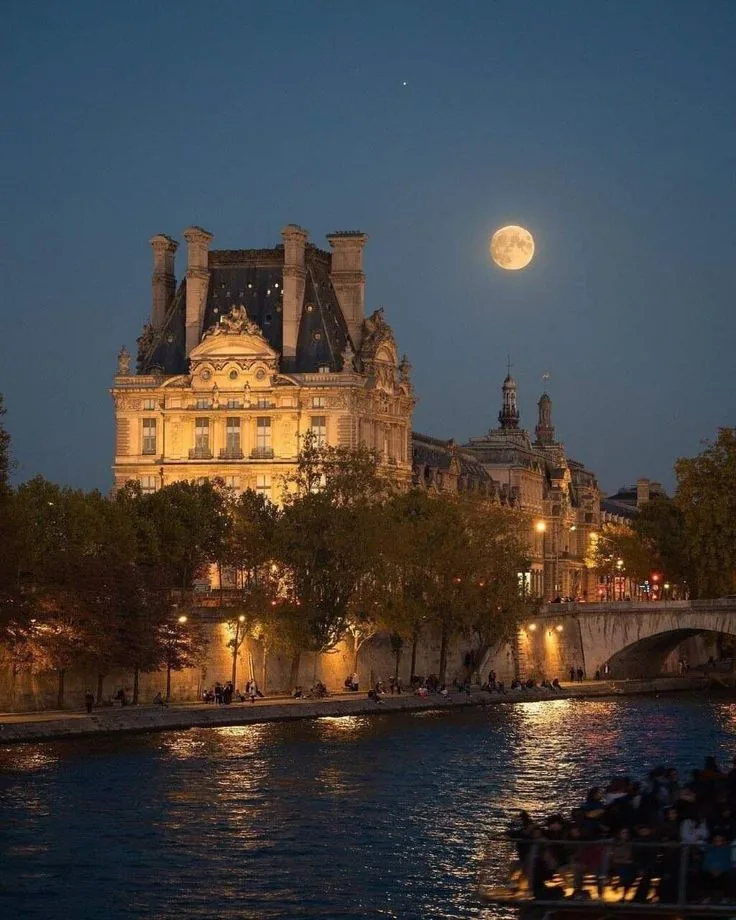
Yes, even the Louvre has a ghost story. The legend of Belphégor became particularly famous in the 20th century after writer Arthur Bernède created the character in a serialized novel published in Le Petit Parisien in 1927. The story later inspired films and television adaptations, helping turn the Louvre into part of Paris's supernatural folklore. According to the legend, the mysterious figure roams the museum's corridors. And honestly, if you've ever been inside the Louvre after closing time, you can probably understand why someone decided it needed a ghost, thousands of artwork, ancient mummies, endless corridors, centuries of history.
The reality: Belphégor is a fictional creation. But the legend has become part of the Louvre's cultural mythology.
6. Paris's Ghost Metro Stations
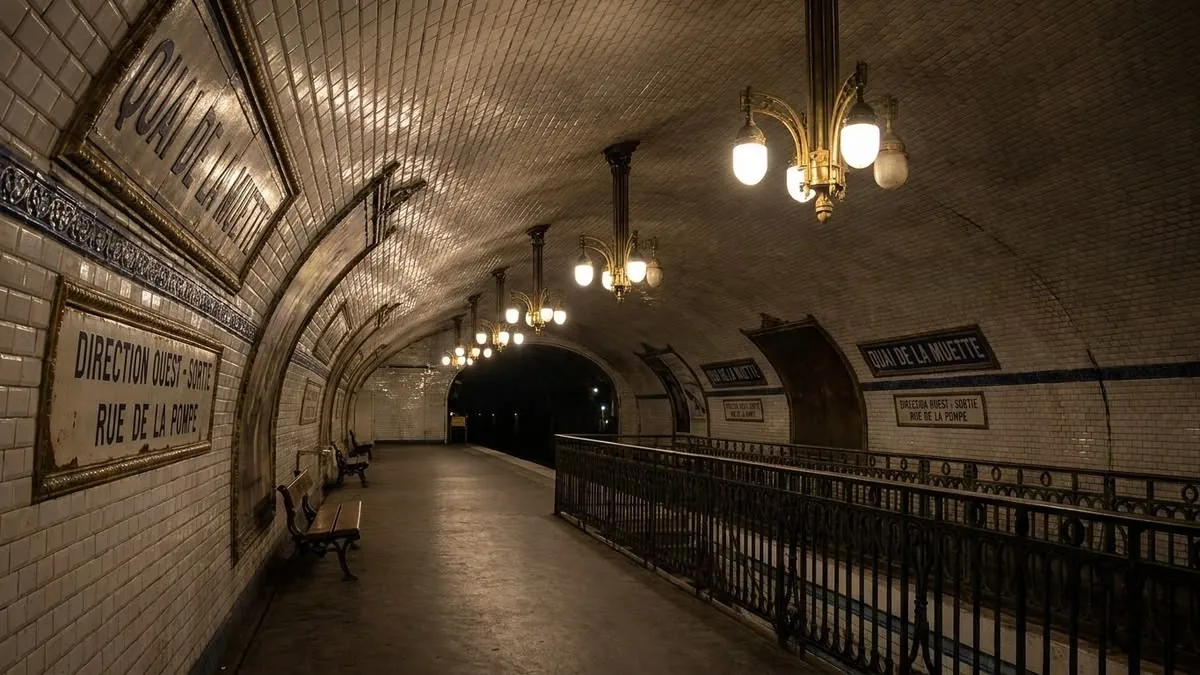
Paris has another kind of ghost story: stations that aren't really there anymore. Several metro stations have been closed or never opened to the public and are commonly referred to as “ghost stations.” Among the names associated with Paris's abandoned or inaccessible stations are Arsenal, Croix-Rouge and Haxo. Some can even be glimpsed briefly from passing trains. They're not haunted. They're simply remnants of another version of Paris's transport history. But there is something undeniably eerie about knowing that beneath the city are platforms and tunnels that most passengers will never enter.
7. Paris's Cemeteries and the Stories They Keep
Père Lachaise isn't the only cemetery with an eerie reputation. Montmartre Cemetery and Montparnasse Cemetery also contain famous graves, elaborate monuments, and generations of stories. The Paris Tourist Office notes that several Parisian cemeteries have become associated with ghost stories and strange phenomena over the years. But there's another way to look at them. These aren't simply “haunted places.” They're archives of Paris. Walk through the names and dates and you'll encounter artists, writers, politicians, performers, scientists, and ordinary Parisians. Sometimes the most interesting story isn't a ghost story at all. It's the story of the person beneath the stone.