Paris on a Budget 2026: How to Experience Paris Without Overspending
Paris has a reputation for being expensive. And yes, you can spend a lot of money here, but here's the good news: You don't need a huge budget to have an amazing Paris trip. In fact, some of the best things to do in Paris cost absolutely nothing. With a little planning, Paris can be much more affordable than you might expect. Here's how to experience Paris on a budget in 2026.
How Much Do You Actually Need Per Day?
Your budget will depend heavily on where you stay and how often you eat at restaurants. But for travelers who are already staying in Paris and want to keep daily spending under control, a realistic starting point is: Budget traveler: €40–€60/day Think:
- Affordable breakfast
- Bakery or casual lunch
- Mostly free attractions
- Public transportation
- One inexpensive activity or treat
Comfortable budget: €60–€100/day Think:
- Café breakfast
- Casual restaurant meals
- Several paid attractions
- Public transportation
- Coffee and pastries
- A few small purchases
More flexible: €100+/day
This gives you more room for sit-down restaurants, cocktails, multiple paid attractions, taxis, shopping, and other extras. Accommodation is not included in these estimates, because hotel and apartment prices vary depending on the season and neighborhood. The key is not necessarily spending less on everything. It's knowing what is worth paying for and what isn't.
Save Money on Transportation
One of the easiest ways to control your Paris budget is to understand the public transport system. And luckily, you don't need taxis to explore the city. Paris is extremely walkable, and the Metro makes it easy to cover longer distances.
2026 Metro & RER prices A standard Metro-Train-RER ticket currently costs €2.55. A Bus-Tram ticket costs €2.05. If you're going to make lots of journeys in one day, a Navigo Day pass costs €12.30 for all zones, excluding airport travel. There's also the Paris Visite pass, which includes airport travel and unlimited transport throughout the region. In 2026, prices start at €30.60 for one day, with longer options available. You can check all the ticket prices here.
Eat Like a Local, Not Like a Tourist
Food can easily become one of your biggest Paris expenses, but eating well doesn't have to mean eating expensively. To know more about eating affordably in Paris, you can read our blog about that here
Take Advantage of Free Museums
This is where your Paris budget can really benefit. Many visitors assume that every museum requires an expensive ticket. Not true. Paris has 11 municipal museums whose permanent collections are free year-round, including places such as the Musée Carnavalet, Petit Palais, and Musée d'Art Moderne de Paris. There are also museums that offer free admission on the first Sunday of every month, while some monuments offer free admission on selected Sundays during the winter months.
Some of the Best Things in Paris Are Free
And this is where Paris becomes a budget traveler's dream. You can spend an entire day exploring without paying for a single attraction. Walk along the Seine One of the best free activities in Paris.
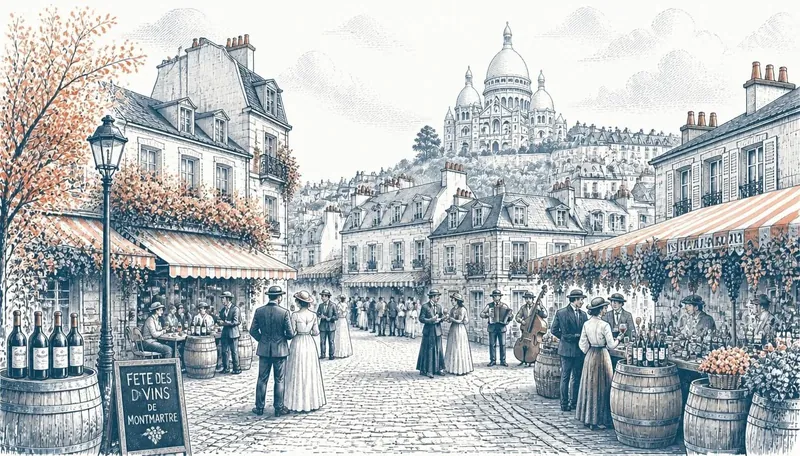
Explore Montmartre Walk through the neighborhood, discover its little streets, and enjoy the views. You can even join Tipwalk’s Montmartre free walking tour
Wander through Le Marais Historic buildings, beautiful streets, cafés, galleries, and hidden courtyards.
Visit Parisian gardens Jardin du Luxembourg, Jardin des Tuileries, Parc des Buttes-Chaumont, and countless smaller gardens offer beautiful places to relax. You can also read more about Paris’ secret gardens [here].
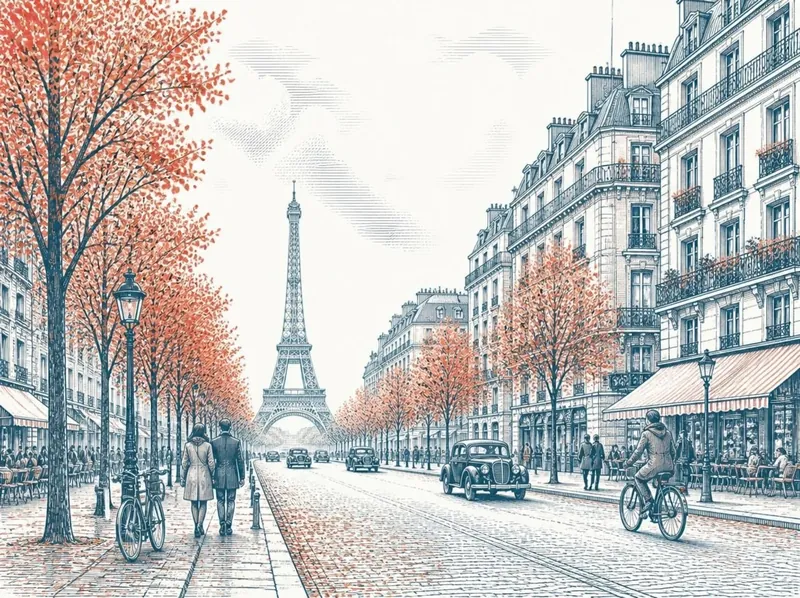
See the Eiffel Tower You don't have to pay to admire it. Find a viewpoint, sit on the Champ de Mars, or watch it from across the Seine.
Explore street art From Belleville to the 13th arrondissement, Paris has plenty of public art to discover.
Browse the bookstalls Walk along the Seine and explore the famous bouquinistes. You don't have to buy anything.
Spend Money on the Experiences You Really Want
Being on a budget doesn't mean never paying for anything, it means choosing carefully. Instead of buying five attraction tickets, choose one or two experiences you genuinely care about.
For example:
- Love art? Spend the money on a museum.
- Love architecture? Choose a historic monument or guided tour.
- Love food? Save your budget for one great meal.
- Want to understand the city? Invest in a local walking tour like one of our free TipWalk walking tours.
You don't need to do everything. You just need to make the things you choose count.
Watch Out for the Small Expenses
It's not always the big attractions that destroy your budget, it's usually the little purchases. €5 coffee. €7 snack. €10 souvenir. €15 taxi. €6 bottle of water. Do that several times a day and suddenly you've spent €40 without realizing it.
A few simple habits:
- Carry a reusable water bottle.
- Buy snacks at bakeries or supermarkets.
- Walk between nearby attractions.
- Avoid taxis unless you actually need one.
- Check restaurant prices before sitting down.
- Set yourself a daily spending limit.
Accommodation: Where You Stay Matters
Accommodation will probably be one of the biggest parts of your Paris budget, but don't assume you have to stay directly beside the Eiffel Tower or Louvre.
Paris has excellent Metro connections, and staying slightly outside the most tourist-heavy areas can give you more options.
Look at neighborhoods such as:
- Montparnasse
- Bastille
- République
- Nation
- Butte-aux-Cailles
- parts of the 18th and 20th arrondissements
The best neighborhood depends on your itinerary, but the general rule is simple: Don't choose a hotel solely because it's next to a famous landmark. Choose somewhere well connected. You'll spend less time commuting and potentially less money on accommodation.
The Best Budget Hack: Walk
This is probably our favorite tip. And it's the most TipWalk one. Paris is a city you can genuinely explore on foot. Instead of taking the Metro for every two stops, look at the map and ask “Could you walk it?”, if the answer is yes, do it.
A 20-minute walk could take you past: A bakery, a hidden courtyard, a neighborhood café, a street market, a tiny bookstore,... And suddenly your transportation has become part of your sightseeing. That's the magic of Paris.
💚 The Ultimate Paris Budget Rules If you only remember seven things, remember these:
- Walk whenever you can. Your feet are your cheapest transport.
- Eat where locals eat. Look for neighborhood bakeries, cafés, markets, and lunch formulas.
- Use free museums. Paris has more free cultural options than many visitors realize.
- Don't overbook attractions. Choose the experiences you actually care about.
- Carry water. One less unnecessary purchase.
- Watch the little expenses. They add up faster than you think.
- Leave room for wandering. Some of the best Paris moments cost nothing.