Paris by Arrondissement: A First-Timer's Guide to the 20 Districts
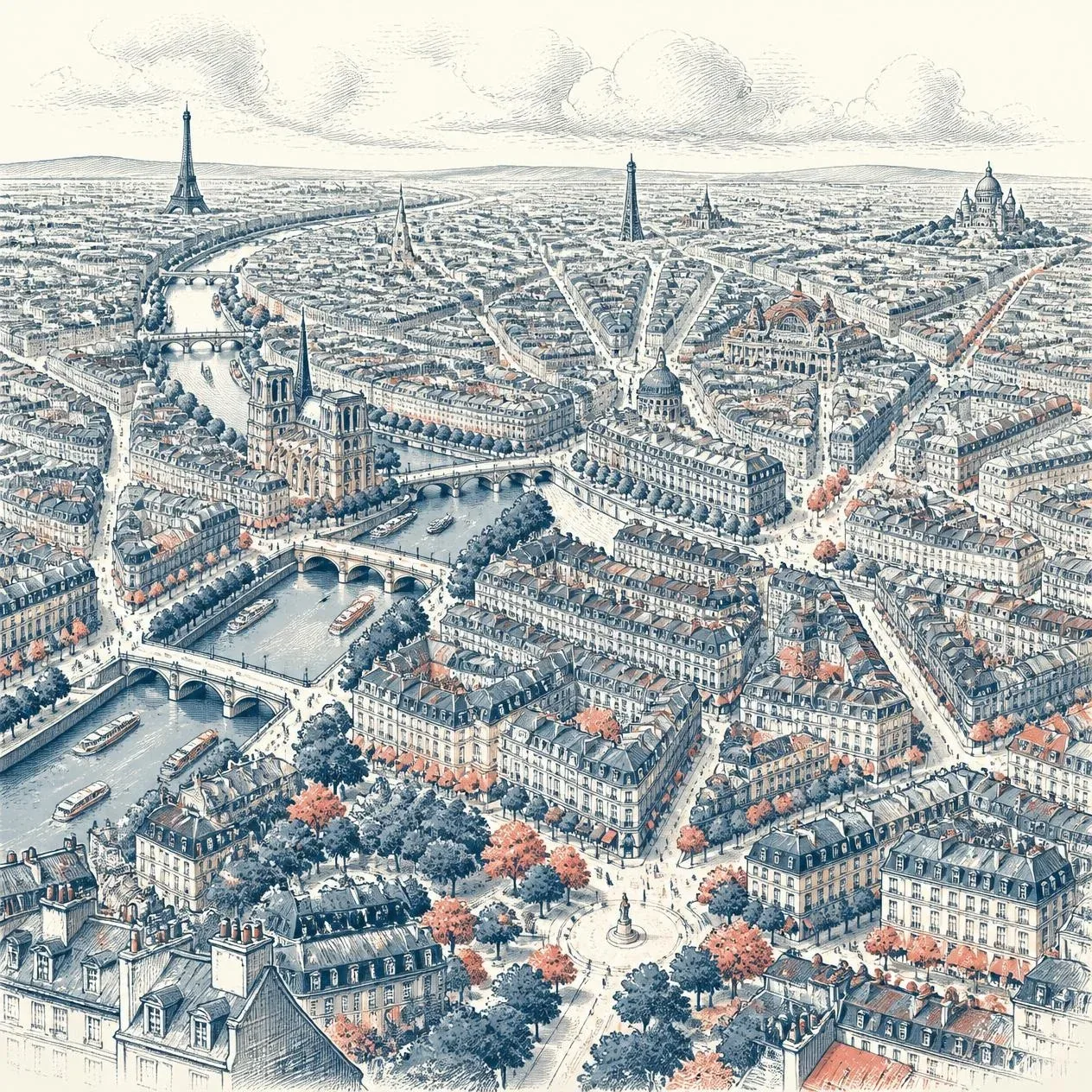
If you've ever planned a trip to Paris, you've probably seen addresses like “75004,” “6e,” or “18th arrondissement” and wondered what they actually mean. Paris is divided into 20 numbered arrondissements, arranged roughly in a clockwise spiral starting from the city centre. The 1st–4th are now grouped administratively as Paris Centre, but their individual numbers and identities remain very much part of everyday Paris. For visitors, understanding the arrondissements is useful because different parts of Paris can feel like completely different cities.
Here's your quick guide to all 20.
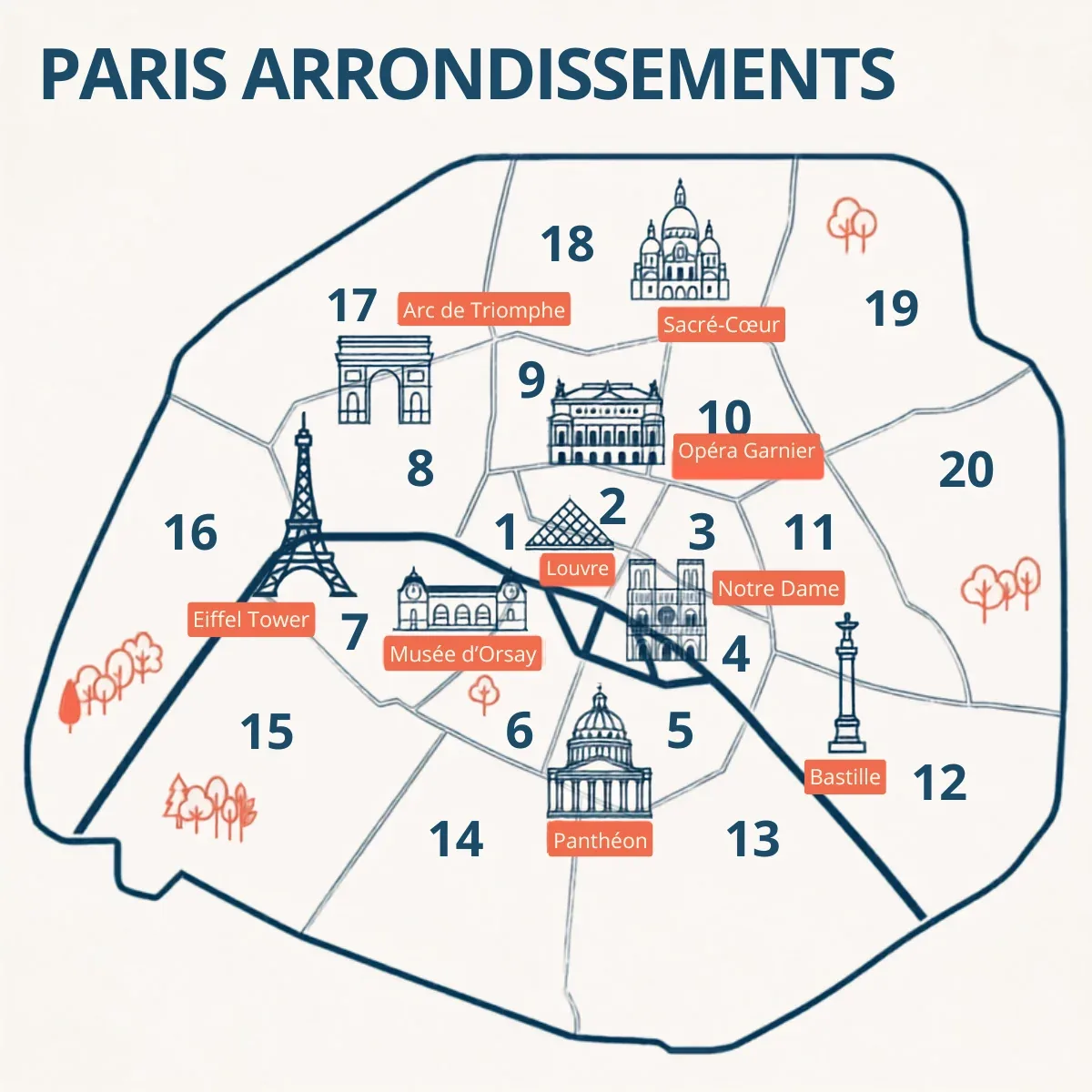
1st Arrondissement: The Heart of Paris
Think: Louvre, Tuileries, Palais Royal
This is Paris at its most central and monumental. You'll find the Louvre, Tuileries Garden, Palais Royal and some of the city's most famous historic streets.
Go here for: major landmarks, museums and classic Paris.
2nd Arrondissement: Small Streets & Food
Think: Montorgueil, Grands Boulevards
The 2nd is compact, lively and excellent for wandering. The pedestrian streets around Rue Montorgueil are particularly enjoyable for cafés, bakeries, restaurants and food shops.
Go here for: eating, shopping and exploring beyond the biggest landmarks.
3rd Arrondissement: The Northern Marais
Think: Marais, museums, boutiques
The 3rd forms part of the historic Marais and mixes elegant architecture with independent shops, galleries and cafés.
Go here for: design, history and a slower Marais experience.
4th Arrondissement: Notre-Dame & the Île de la Cité
Think: Notre-Dame, Hôtel de Ville, Île Saint-Louis
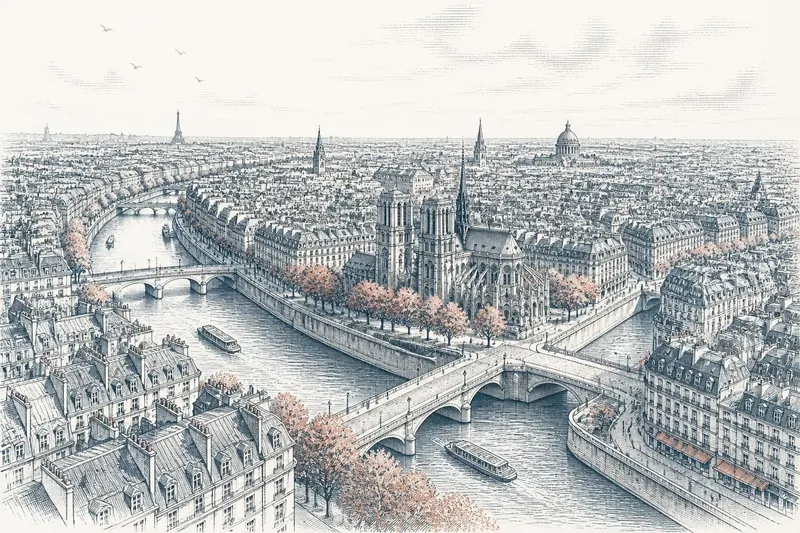
This is another essential area for first-time visitors. Explore Notre-Dame and Île de la Cité, then cross toward Île Saint-Louis for riverside walks and historic architecture. You can join our free Notre-Dame walking tour to explore this area expertly.
Go here for: medieval Paris, the Seine and iconic sights.
5th Arrondissement: The Latin Quarter
Think: Latin Quarter, Panthéon, Jardin des Plantes
The 5th is one of Paris's great student and intellectual districts. You'll find historic streets, bookshops, cafés, the Panthéon and the Jardin des Plantes.
Go here for: history, culture and lively streets.
6th Arrondissement: Saint-Germain-des-Prés
Think: cafés, galleries, boutiques
Saint-Germain-des-Prés combines historic cafés, galleries, luxury shopping and beautiful streets.
Go here for: the romantic, literary side of Paris.
7th Arrondissement: The Eiffel Tower
Think: Eiffel Tower, Invalides, Musée d'Orsay
If you're visiting Paris for the first time, you'll probably spend some time here. The 7th is home to the Eiffel Tower, Les Invalides, the Musée d'Orsay and elegant residential streets.
8th Arrondissement: Grand Paris
Think: Champs-Élysées, Arc de Triomphe, luxury
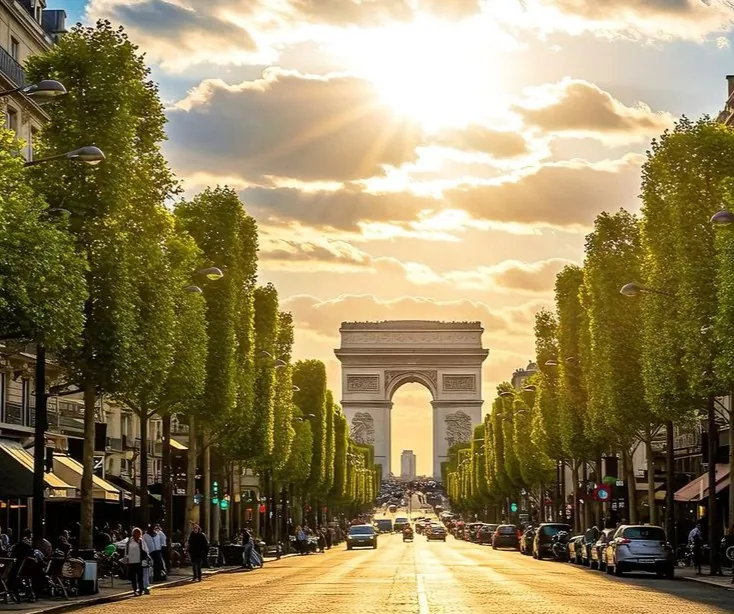
The 8th is where Paris gets grand. The Champs-Élysées, Arc de Triomphe and major luxury boutiques dominate the arrondissement.
Go here for: famous monuments, fashion and impressive boulevards.
9th Arrondissement: Shopping & Nightlife
Think: Opéra, department stores, Pigalle
The 9th is one of the city's most varied districts. You can go from the elegant Opéra Garnier and Galeries Lafayette to the nightlife around Pigalle. This is also a good TipWalk tour to join to explore the area expertly with a local guide!
Go here for: shopping, entertainment and nightlife.
10th Arrondissement: Canal Saint-Martin
Think: canals, cafés, young Paris
The 10th has a more contemporary, cosmopolitan feel. The Canal Saint-Martin is perfect for a relaxed walk, while the streets around it are packed with cafés, restaurants and independent businesses.
Go here for: local atmosphere and a less traditional side of Paris.
11th Arrondissement: Food & Nightlife
Think: Bastille, Oberkampf, cafés
The 11th is energetic and food-focused, with a huge selection of restaurants, bars and cafés. It's especially lively around Bastille and Oberkampf.
Go here for: dinner, drinks and nightlife.
12th Arrondissement: Green Paris
Think: Bois de Vincennes, Bercy
The 12th offers a different pace. It's home to green spaces, Bercy and access to the enormous Bois de Vincennes.
Go here for: parks, walking and a quieter side of the city.
13th Arrondissement: Modern & Multicultural
Think: Chinatown, street art, Bibliothèque François Mitterrand
The 13th is one of the more contemporary faces of Paris. It's known for its Asian communities, high-rise architecture around the Seine and striking street art.
Go here for: food, modern architecture and something different.
14th Arrondissement: Village Paris
Think: Montparnasse, Parc Montsouris, quieter streets
The 14th has a more residential character, with several neighborhoods that feel almost village-like. It's also home to Montparnasse Cemetery and Parc Montsouris.
Go here for: peaceful walks and everyday Paris.
15th Arrondissement: Residential Paris
Think: local life, parks, shopping
The 15th is one of the city's more residential districts.
Go here for: seeing how Parisians live away from the main tourist routes.
16th Arrondissement: Elegant & Green
Think: Trocadéro, Passy, museums
The 16th combines elegant residential streets with museums, gardens and some of the city's best Eiffel Tower viewpoints.
Go here for: architecture, museums and panoramic views.
17th Arrondissement: Batignolles
Think: village atmosphere, cafés, local life
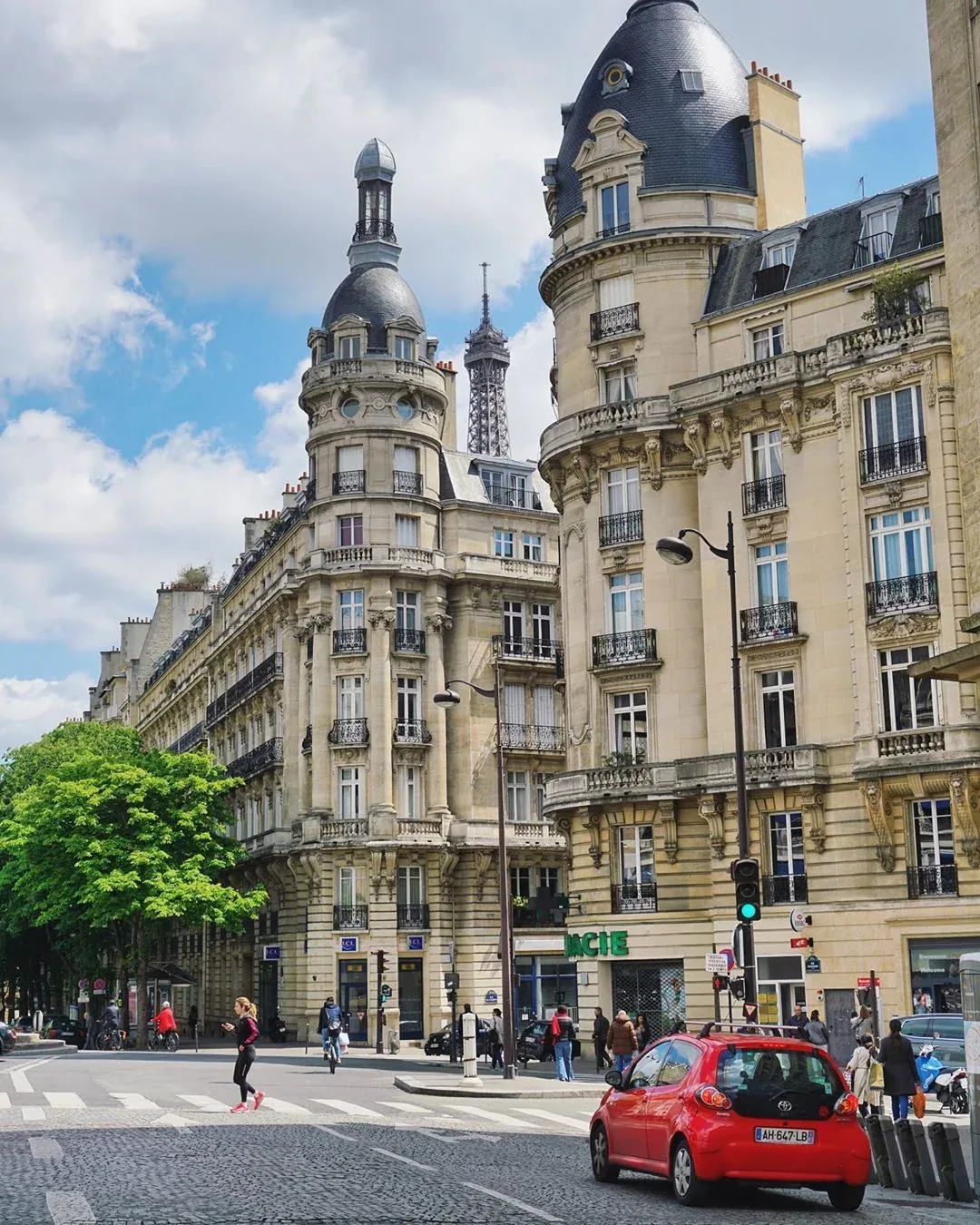
The 17th stretches from the busy area around the Palais des Congrès to the much calmer streets of Batignolles. The latter has a village-like atmosphere that makes it particularly pleasant to explore on foot.
Go here for: neighborhood cafés and a more local atmosphere.
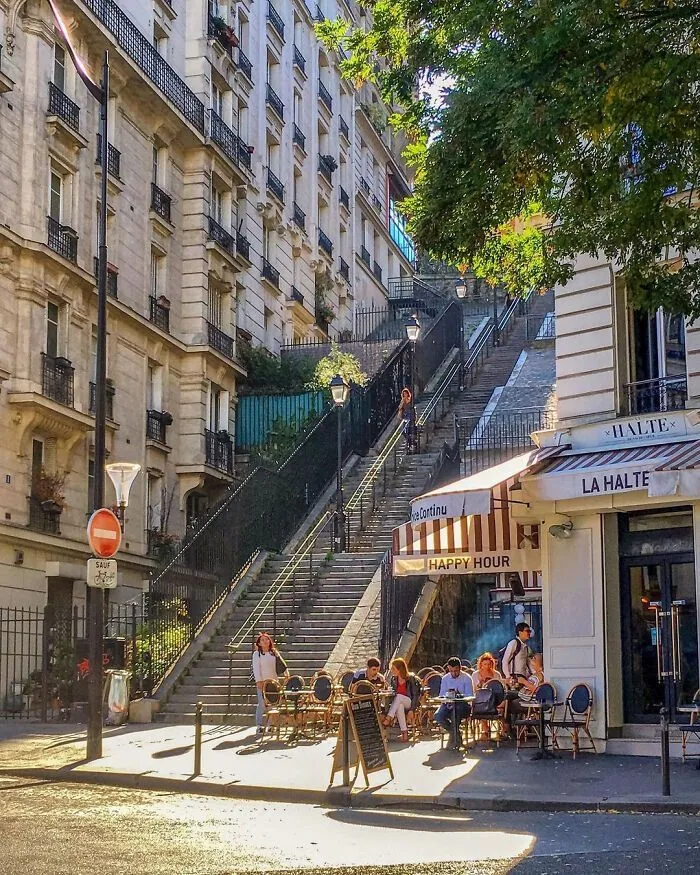
18th Arrondissement: Montmartre
Think: Sacré-Cœur, artists, steep streets
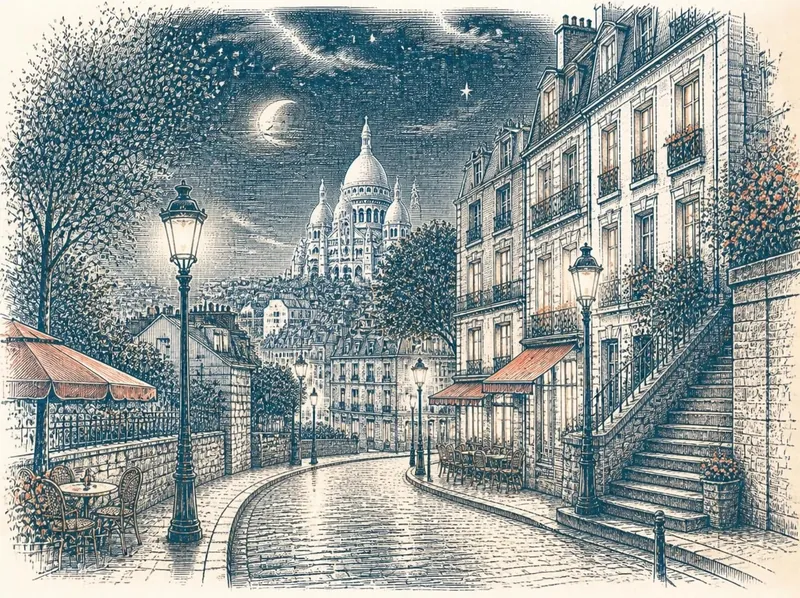
The 18th is home to perhaps the most famous neighborhood for first-time visitors: Montmartre. Climb the hill, explore the smaller streets around Sacré-Cœur and look beyond the busiest tourist spots. Our Exploring Montmartre walk is a great way to explore all the hidden gems and local recommendations.
Go here for: art, views and quintessential Paris.
19th Arrondissement: Parks & Culture
Think: Parc de la Villette, Canal de l'Ourcq, Buttes-Chaumont
The 19th is one of the best arrondissements for green space. Parc des Buttes-Chaumont and Parc de la Villette offer a completely different perspective on the city.
Go here for: parks, culture and contemporary Paris.
20th Arrondissement: Belleville & Père Lachaise
Think: Belleville, Père Lachaise, street art
The 20th has a distinctly neighborhood-focused character, with a mix of cultures, artists, green spaces and historic streets. It's also home to Père Lachaise Cemetery, one of Paris's most fascinating places to explore, TipWalk offers one of the most fascinating Père Lachaise Tours that you can join for free!.
Go here for: local atmosphere, street art and hidden stories.
So, Which Arrondissements Should a First-Time Visitor Explore?
You don't need to visit all 20. For a first trip, you'll naturally spend more time around the 1st, 4th, 5th, 6th, 7th, 8th, 9th and 18th, where many of the city's most famous sights are concentrated. The 10th, 11th, 17th, 19th and 20th can show you a different side of the city, one that's more local, contemporary and everyday. And that's really the secret to understanding Paris: Don't just visit the monuments. Explore the neighborhoods around them. The official Paris Tourist Office itself highlights the very different personalities of the city's districts, from the historic centre and Saint-Germain to Montmartre, Belleville and Père Lachaise.