Paris 3-Day Itinerary 2026: The Perfect First-Time Visitor Plan
Three days is enough to fall in love with Paris. It is not enough to see everything, and that's exactly the right constraint. This itinerary is built around one principle: fewer things, done properly. Every neighborhood covered here rewards walking slowly, stopping unexpectedly, and staying longer than planned.
Is 3 Days in Paris Enough? (The Honest Answer)
Yes, if you stop trying to do everything. The visitors who leave Paris disappointed are almost always the ones who spent three days sprinting between the Louvre, Versailles, and the Eiffel Tower with a metro card. The visitors who leave wanting to come back are the ones who picked three neighborhoods and actually lived in them for a day each.
Three days gives you enough time to see the historic heart of the city, understand why Montmartre feels different from everywhere else in Paris, and discover that Saint-Germain is not just a shopping street. That's a good trip. Everything else can wait for the second visit.
Before You Go: One Decision That Changes Everything
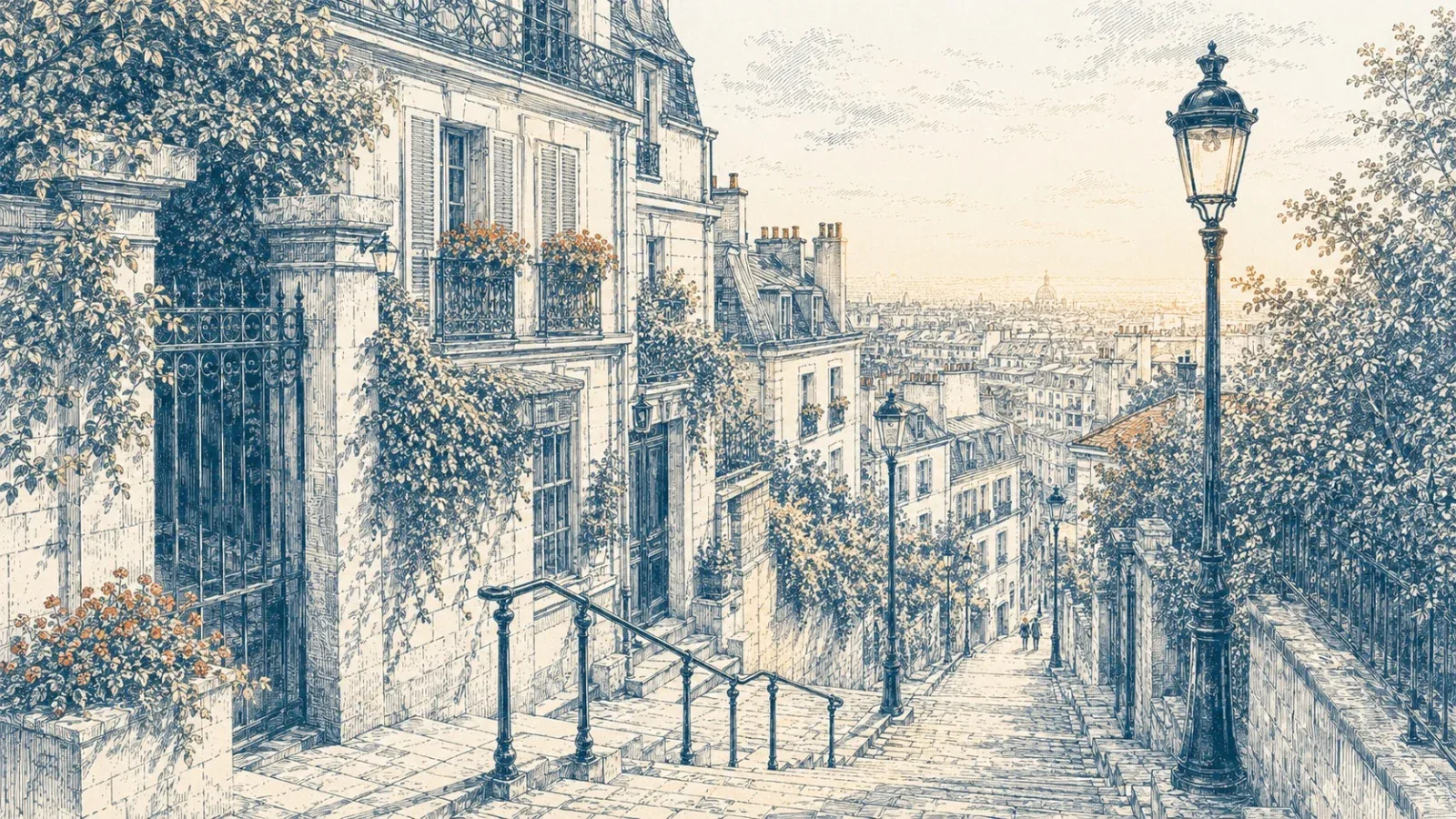
Walk. That's the decision. Every neighborhood on this itinerary is within walking distance of the next, and every one of them reveals itself at street level, in the details of the chalk menu outside a bistro, the view down a side street you wouldn't have taken if you were underground,…. The metro is fast and useful for one thing: getting from Charles de Gaulle to your hotel. After that, put it away.
Paris is a small city by the standards of most capitals. From Notre-Dame to Montmartre is 4km. From the Eiffel Tower to Saint-Germain is 30 minutes on foot. The map looks bigger than it is. Walk it.
Day 1: The Heart of Paris: Île de la Cité, Notre-Dame & the Left Bank
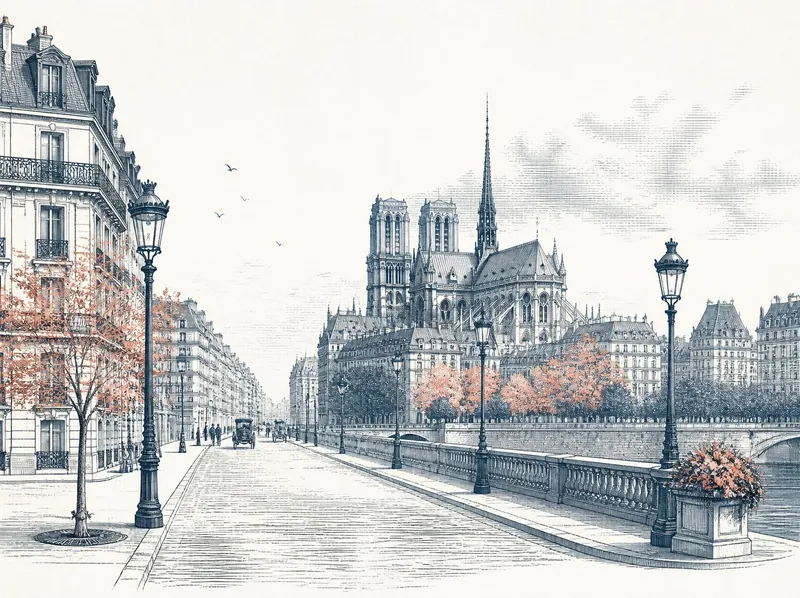
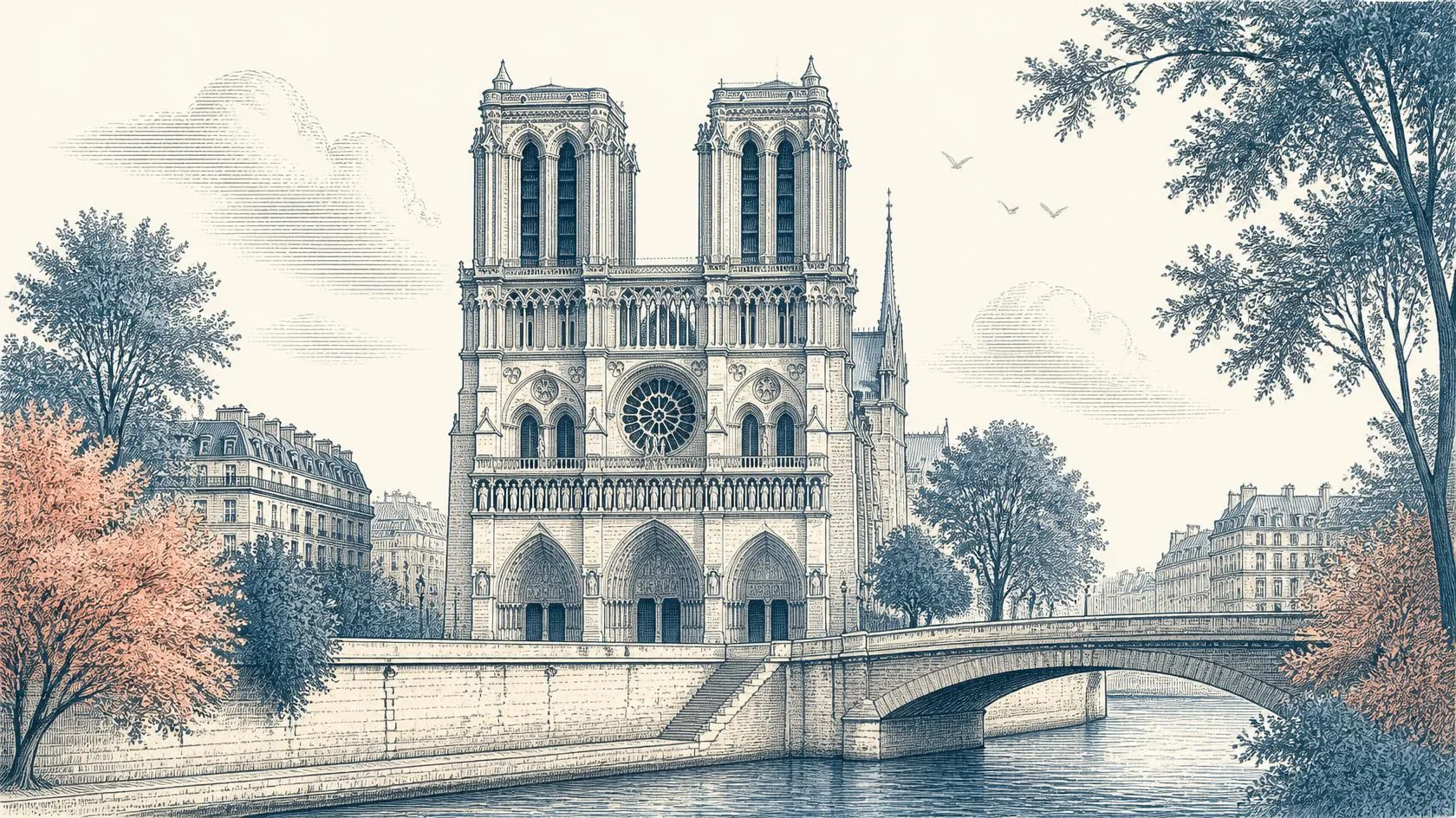
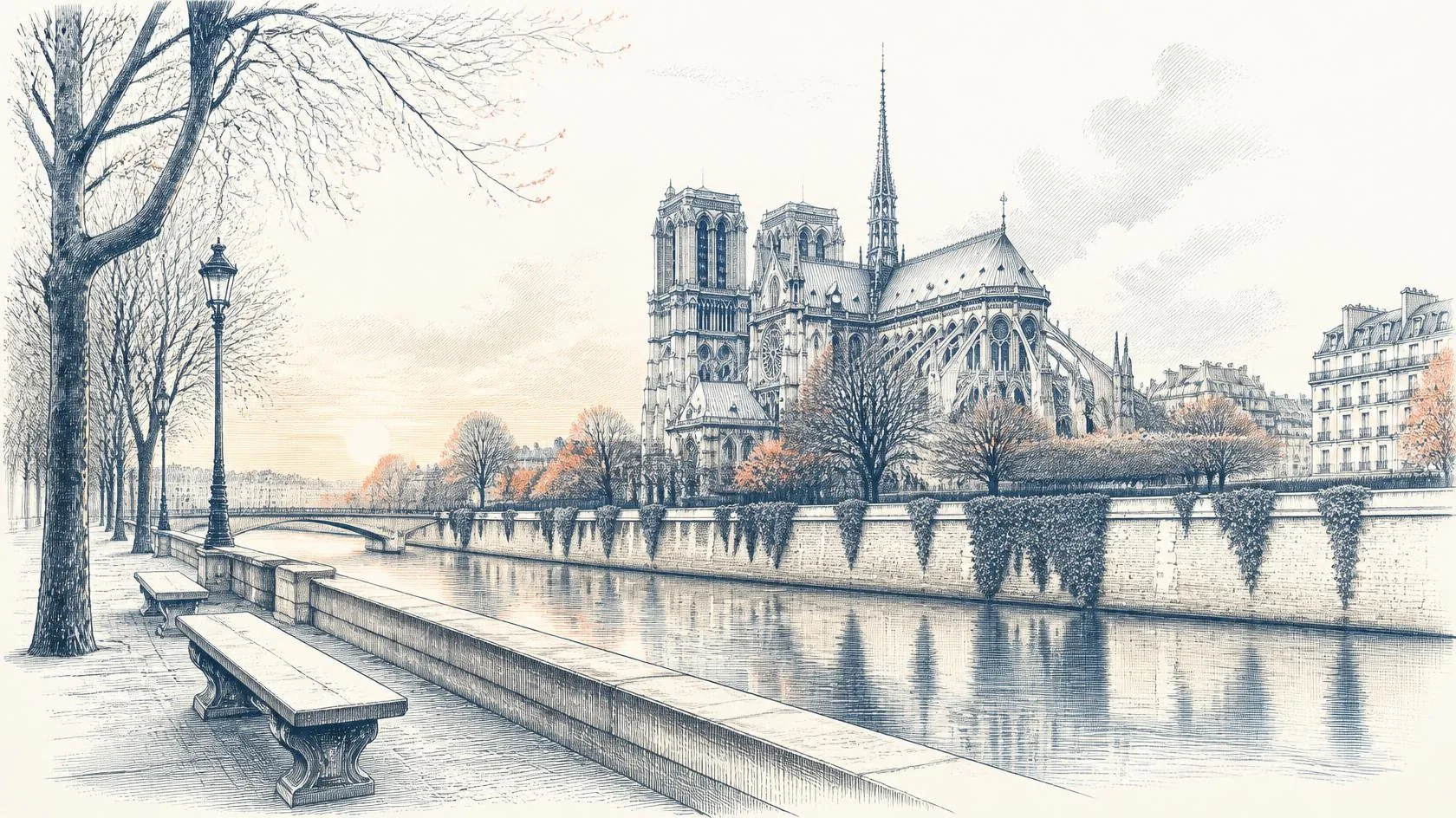
Start at Notre-Dame before 9am. The cathedral reopened in December 2024 after five years of restoration and it's extraordinary; the nave is brighter than it's ever been, the oak spire is back on the skyline, and before the crowds arrive you can stand in the center and actually take it in. Entry to the main nave is free. Book tower tickets in advance here if you want to go up, it’s €16 and worth it for the view over the Île de la Cité.
Before leaving the island, go into Sainte-Chapelle next door. Most visitors walk straight past it. Built in 1248, it contains 600 square meters of 13th-century stained glass, the best medieval glass in the world in a single room. Tickets range from €16-22. If you see one thing on the Île de la Cité that isn't Notre-Dame, make it this.
Cross to the Latin Quarter for lunch. Rue Mouffetard is one of the oldest market streets in Paris where the stalls open every morning, good food at real prices, not a tourist trap. Avoid the streets directly around Notre-Dame for eating since Rue de la Huchette is all overpriced crêpes. Walk five minutes south and the options improve dramatically.
Spend the afternoon along the Seine walking west. Stop at the Square du Vert-Galant at the tip of the Île de la Cité, it sits at water level, hidden below the main walkways, with views down the river in both directions. Then the Pont Neuf, the oldest bridge in Paris despite its name. The Left Bank from here in the early evening has musicians, bookstalls, people watching the light change on the water. This is Paris at its most uncomplicated.
TipWalk tours cover all of this on the free Notre-Dame & Île de la Cité Walking Tour , Île de la Cité, Pont Neuf, Notre-Dame, and the stories behind each that no information board mentions. Max 10 guests, no booking fee.
Day 2: Montmartre in the Morning, Le Marais in the Afternoon
Montmartre before 9am is one of the best things Paris offers. The steps up to Sacré-Coeur are empty. The light is golden. The cafés are just opening. By 11am it is a different place entirely, tour groups, selfie crowds, street hustlers. The difference between early Montmartre and midday Montmartre is the difference between a neighborhood and a theme park. Go early.
Start at the base of the steps at Place Saint-Pierre and walk up slowly. The view from the Sacré-Coeur terrace is the best panoramic view in Paris, no ticket required, no queue at 8am. From there, walk into the back streets rather than the tourist-facing Place du Tertre. Rue Lepic, Rue des Abbesses, the Vineyard of Montmartre, these are the streets where the neighborhood actually lives.
TipWalk's free Montmartre walking tour departs daily, the guides cover the streets, stories, and hidden corners that most visitors never find. Free to book, max 10 guests, tip what you think it was worth at the end.
After lunch in Montmartre, try one of the cafés on Rue des Abbesses rather than the ones directly around Sacré-Coeur and head down to Le Marais for the afternoon.
Le Marais divides into two characters. The Upper Marais, which is north of Rue de Bretagne, is quieter, with independent bookshops and natural wine bars. The Lower Marais holds the Jewish Quarter and Place des Vosges, the oldest planned square in Paris, built in 1612. Walk through the arcades slowly. In the evening the Marais has a completely different energy with dinner, bars, later nights than most of Paris.
Day 3: Saint-Germain, the Eiffel Tower & What to Skip
Saint-Germain-des-Prés on a weekday morning before the shops open is a different neighborhood from the one most visitors see. Start your morning at Café de Flore on Boulevard Saint-Germain, Sartre and de Beauvoir's regular table, still serving coffee and croissants at some premium prices like a few other cafés in Paris. Then walk two streets back from the boulevard. Rue de Buci, Rue de Seine, the courtyard of the École des Beaux-Arts and this is where you’ll find the real Saint-Germain, not the luxury boutiques on the main drag.
Shakespeare and Company on the Left Bank is worth 30 minutes. Browse, buy a book, have it stamped with the shop's mark. The Musée d'Orsay is across the river and here is the best Impressionist collection in the world, and if you're going to spend three hours in a museum on a three-day trip, this is the one. Book tickets online to skip the queue.
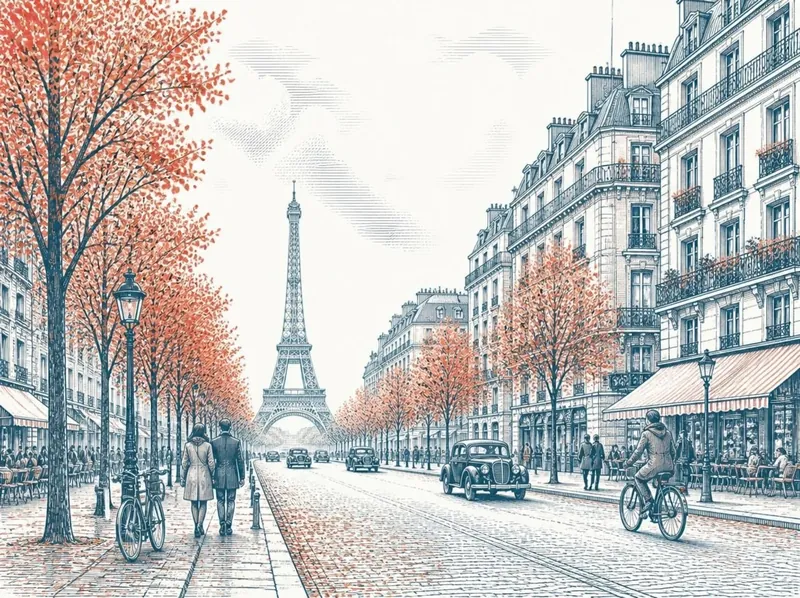
The Eiffel Tower: go at sunset or go early morning. Never midday. The queues at midday are extraordinary and the light is flat. At sunset the tower turns gold and the Champ de Mars fills with people having picnics, buy cheese and wine from any of the shops near Rue Cler and join them. You don't need to go up the tower to have the best Eiffel Tower experience in Paris. The view from the Trocadéro looking back is better than the view from the top looking down.
What to skip on a 3-day trip:
The Champs-Élysées (a shopping street, nothing more), Versailles (a full day minimum, not a half-day add-on), the Louvre (you need four hours minimum to do it properly, so come back for it). None of these are bad. All of them work against a three-day itinerary built around neighborhood depth while still wanting quality out of the trip.
The One Thing Every First-Time Paris Visitor Gets Wrong:
Trying to see Paris by metro. Although it's efficient and underground, this is where you miss everything in between.
Every neighborhood on this itinerary rewards walking, including the transition from the Latin Quarter to the Seine, the walk from the bottom of Montmartre to the top, the shift in atmosphere as you move from Upper Marais to Lower Marais. None of this happens on the metro. The difference between a good Paris trip and a great one is almost always pace: slow down, pick fewer things, go deeper. The city reveals itself to people who walk it, not people who sprint between monuments.
TipWalk guides lead free walking tours daily with max 10 guests, no booking fee, tip what you think it was worth. Browse all Paris tours here.